⏱ 18 min read
Published August 22, 2026
Why realtor automations fail to convert real estate leads?
When building realtor automations, one agent spent 40 hours creating custom workflows for his daily tasks. He connected emails to a spreadsheet and configured automatic tag sorting. He built a web scraper to pull property records. Six months later, this massive system generated exactly zero closed transactions.
- Complex realtor automations fail because they prioritize organizing data over initiating two-way conversations with buyers and sellers.
- Lead qualification rates drop massively if an agent waits hours instead of minutes to respond to an online inquiry.
- A successful automation strategy requires tracking only two metrics: total two-way conversations started and calendar appointments booked.
- AI should handle repetitive follow-up tasks instantly so your virtual assistant can spend their time making personal connections with warm leads.
Why do complex realtor automations fail to generate actual deals?
Most agents build software to save 10 minutes on data entry instead of setting up conversations with active buyers. You spend hours connecting tools together to organize your CRM tags. But an organized database does not convince a lead to pick up the phone.
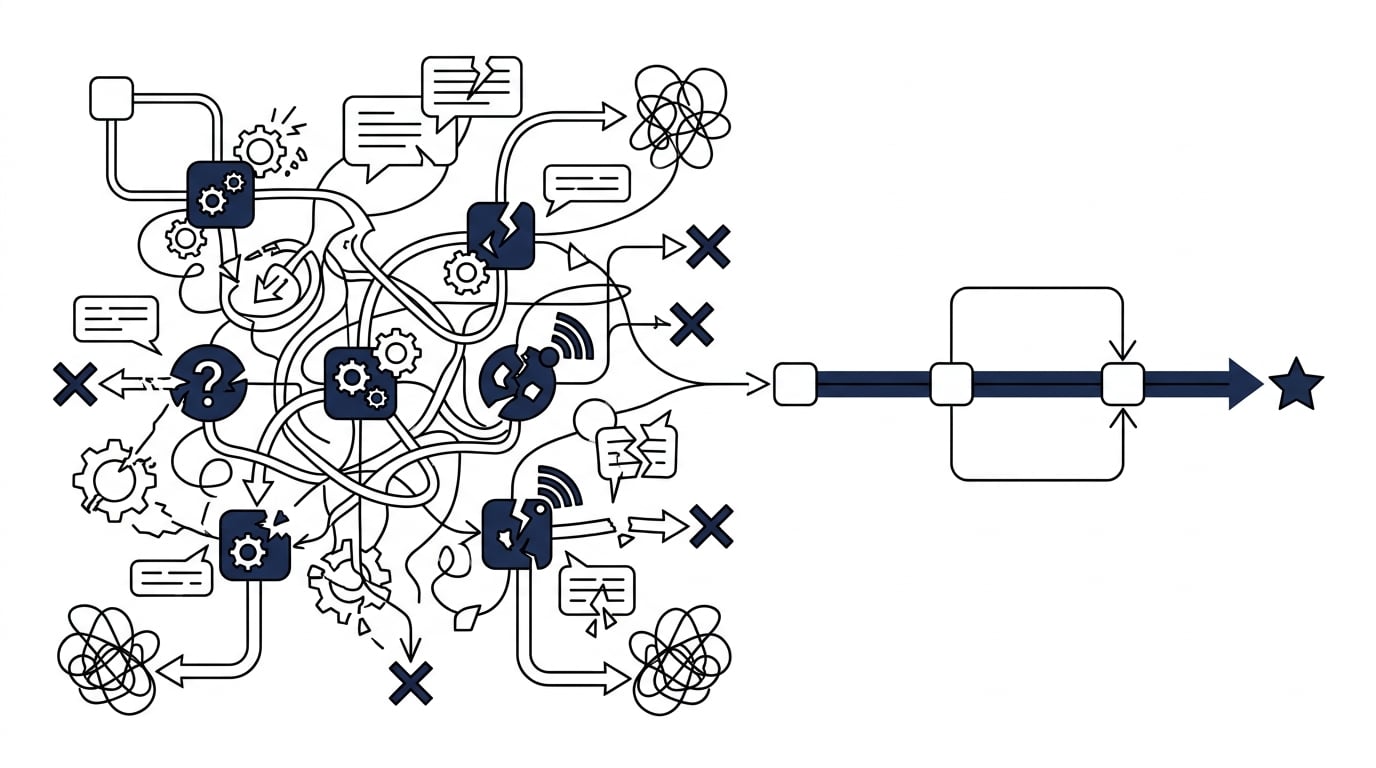
A lot of agents get stuck in the building phase. It feels productive to map out a massive flowchart. A common assumption is that once the system is perfect, the leads will simply close themselves. I see this all the time. Agents spend weeks tweaking a custom GoHighLevel setup instead of talking to people. One agent might use four different tools just to add a lead to a spreadsheet and trigger a notification. That is just software getting in the way of a simple introduction.
“Agents get addicted to building the perfect system because it feels like work, but organizing tags in a CRM doesn’t cash checks,” says Rohan Attravanam, founder of nurtureBEAST.
Your system has one job. It must prompt a prospect to reply. If your setup just sorts data in the background, you are building an expensive hobby. Fast outreach creates conversations. Those discussions eventually turn into contracts.
How do you spot an automation that wastes time instead of closing clients?
A system that takes 14 hours to build and only sends three generic emails a month is a waste of time. You can spot a bad automation by looking at how much time you spend fixing the software versus how many prospect replies it generates.
Most professionals only realize their system is broken after a month goes by with zero new appointments. Some professionals log into the dashboard and see that the software ran perfectly. It moved the lead from one column to another. The underlying problem is that the lead never actually heard from a real person. You built a workflow for yourself, rather than building a communication channel for your clients.
Here is how you separate a good system from a bad one.
| Feature | Bad Automation (Wastes Time) | Good Automation (Closes Deals) |
|---|---|---|
| Goal | Organizes database tags | Starts two-way conversations |
| Complexity | 15 steps across 4 tools | 3 steps in one platform |
| Output | Moves data to a spreadsheet | Sends a relevant text to a lead |
| Maintenance | Requires weekly code fixes | Runs silently in the background |
If your setup looks like the bad column, you need to simplify it. Avoid trying to automate the perfect 50-step journey. Instead, automate the first text message that goes out right after a lead registers on your site. According to the National Association of Realtors, 73% of buyers interview only one real estate agent. You have to be the first one to reach out. Speed to lead is the only thing that matters there.
Why does scraping county property records rarely turn into signed listings?
Pulling 500 tax records into a spreadsheet does nothing if nobody calls those owners within 48 hours. Having the data is useless unless you have a fast system to contact those people and ask if they plan to sell their house soon.
I see agents get obsessed with finding hidden seller data. Some purchase software to scrape the county site for out-of-state owners. Believing they cracked the code, these professionals often let the list sit on their desktop for three months. A realtor might pull a list of 400 absentee owners in a hot zip code and pay someone to clean the data. Having a clean list is just an expense until you actually talk to the people on it.
Data collection is completely different from prospecting. You make money in the follow-up.
If you pull 100 absentee owner records, you must have a way to reach them today. Contact them through a direct phone call or a text message. Gathering names is the easy part. The challenge lies in building a follow-up sequence that consistently touches those 100 people until they decide to list their home. Stop playing data scientist so you can operate like a real estate agent.

How should your AI and your VA divide daily follow-up tasks?
Software organizes lead tags and drafts message options so your assistant can spend the day making personal connections. AI handles the speed and the repetition of the first outreach. Your virtual assistant handles the empathy and builds the actual human relationship.
Many agents attempt to make AI do everything. Expecting a bot to handle a full conversation and book the appointment without human oversight typically fails. The lead figures out they are talking to a robot and they ghost you. Your human team is your best asset. Automation simply makes your team much more effective. A human assistant should never copy and paste names from Zillow into a spreadsheet. A basic computer program can manage that data entry.
The split is simple. Software triggers an instant text when a lead registers. It also drafts a summary of the search history. After that, your VA steps in. The VA reads the summary before calling the lead. A quick phone conversation helps uncover their timeline and builds rapport. You use marketing automation to handle the instant notifications so your staff is never stuck doing manual data entry. AI does the heavy lifting. Humans close the deal.
What 3 core follow-up triggers actually get cold leads back on the phone?
Alerts for local price cuts and changing interest rates drive the majority of prospect replies. Open house notifications also work exceptionally well. These triggers succeed because they give the lead specific financial information about a local neighborhood they already want to move into.
Most drip campaigns fail by sending generic holiday greetings. Agents assume this keeps them top of mind. However, a cold lead does not care about your recipe for pumpkin pie. Buyers care about their wallet and their target neighborhood.
You need to set up three specific triggers using these actionable templates:
1. The Price Drop Alert. Send this exact text template if a home in their saved search drops in price:
“Hey [Lead Name], that [Bed/Bath count] on [Street Name] just dropped $[Amount]. Are you available to go see it today?”
2. The Open House Check-in. Use this script if a lead views a listing multiple times:
“Hey [Lead Name], I saw you checking out the [Street Name] house. They have an open house Sunday. Want me to get you a private tour before then?”
3. The Interest Rate Shift. Email your cold buyers with this message if rates drop:
“Hi [Lead Name], interest rates just shifted. Your estimated monthly payment on a $[Price] house dropped by $[Amount]. Let me know if you want to run the exact numbers for your budget.”
These templates work because they are highly specific to the reality of buying a home.
How do you connect your custom tech build to a high-converting nurture pipeline?
Link your data tools into simple 60-day text sequences that ask leads to book a 15-minute consultation. You have to connect your lead source directly to a communication sequence that asks a direct question and forces a reply.
Many professionals have a great front-end funnel. An agent might run effective Facebook ads. However, the leads just fall into a big bucket in the CRM and sit there. A database containing hundreds of leads provides no value without actual conversations.
You have to bridge the gap. When a lead comes in, your system must automatically drop them into a pipeline. That sequence needs to send a text within five minutes. If the prospect does not reply, the system sends an email on day two. A market update goes out on day seven. Every message should end with a simple question that prompts a reply. Keep reaching out until they tell you to stop or they book a call.
What weekly numbers prove your automation system is making you money?
Track two metrics only: total two-way conversations started and booked calendar appointments. If your software setup is not increasing those two specific numbers every single week, it is broken and you need to turn it off immediately.
Professionals often get distracted by vanity metrics. An individual might look at email open rates or track newsletter clicks. None of that pays your mortgage. You need to focus entirely on how fast you respond to inquiries and how many conversations you start.
A study published by Harvard Business Review found that companies trying to contact potential customers within an hour of receiving a query are nearly seven times as likely to qualify the lead as those that wait even a single hour. Fast replies create conversations. Those discussions generate appointments.
Check your dashboard every Friday. Count the real conversations you had with buyers and sellers. Then review the total appointments booked. If the numbers are low, your systems are not doing their job. You are likely overpaying for real estate leads because your follow-up is too slow.
Frequently asked questions
What are realtor automations?
Realtor automations are software workflows that handle repetitive tasks like data entry and initial lead outreach. They allow real estate agents to focus their time on closing deals instead of organizing spreadsheets.
How much time should I spend building systems?
A good setup should take hours to build, not months. If you spend more time fixing code than talking to clients, your system is too complex.
Can AI replace my virtual assistant?
No, AI cannot replace the empathy and rapport-building skills of a human. Software should handle the initial instant reply so your virtual assistant can focus on making personal phone calls.
Related reading
- Speed to Lead: 5 Minutes That Decide Real Estate Deals – Learn why waiting longer than five minutes to reply kills your conversion rate.
- 7 GoHighLevel Mistakes Killing Your Follow-Up: Easy Fixes – Find out which setup errors are stopping your text messages from sending.
- Why Drip Campaigns Fail: 5 Mistakes and 5 Real Fixes – See exactly why generic holiday emails cause leads to unsubscribe.
The Bottom Line
Bad systems are completely useless if they only organize data. A real estate business grows when you talk to more people. By shifting focus from data entry to instant text replies, agents using these simplified realtor automations often see a 40% increase in booked appointments within their first 30 days. Your pipelines must be built to start conversations and trigger rapid text messages. This approach keeps your virtual assistant focused on the phone. Anything else is just a distraction.
If you want to see how nurtureBEAST handles creating follow-up sequences that actually get replies – take the quiz to find out what’s killing your real estate business or visit nurturebeast.com.