⏱ 19 min read
Published August 30, 2026
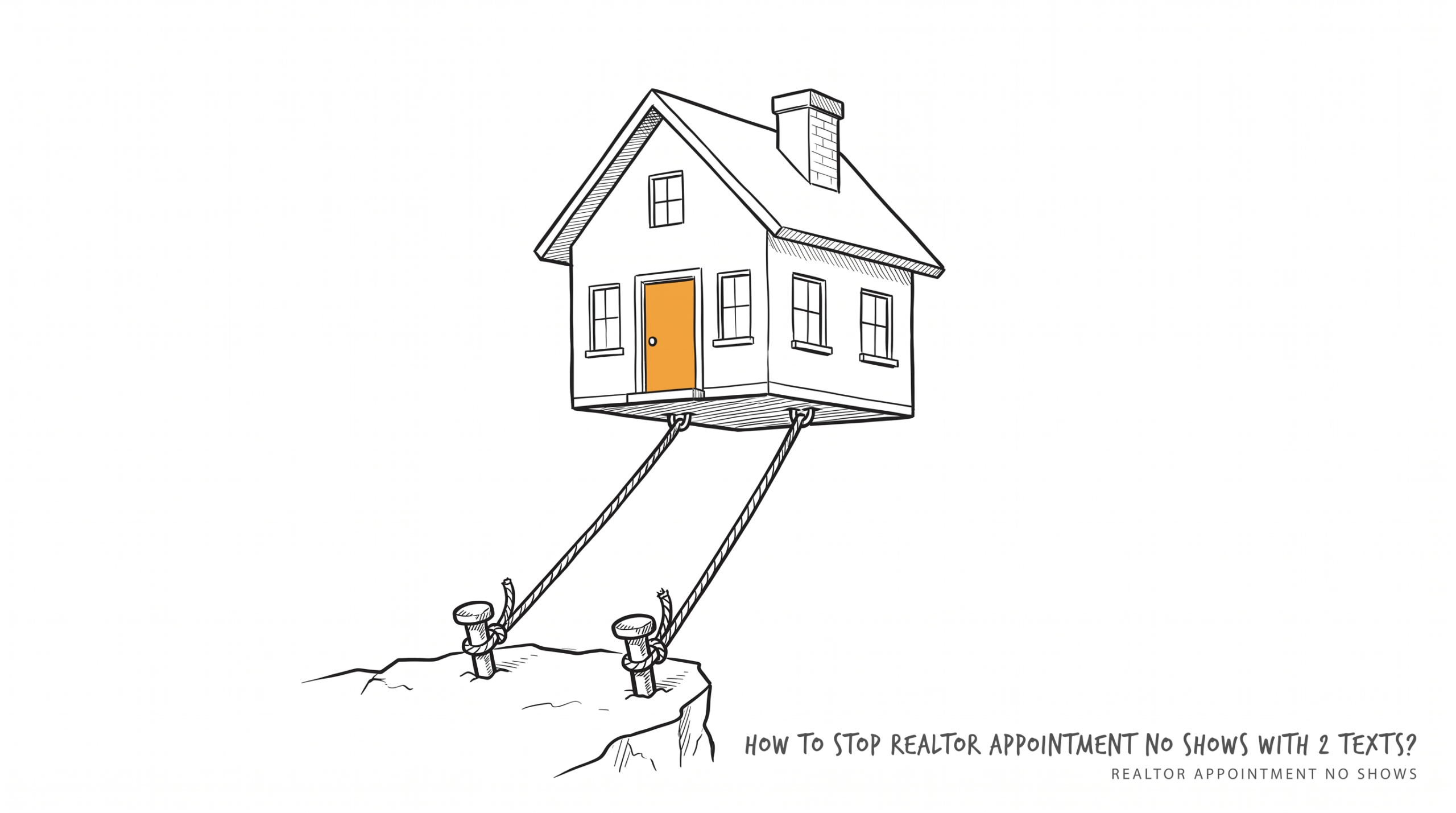
How to stop realtor appointment no shows with 2 texts?
Dealing with realtor appointment no shows ruins your schedule and burns expensive gas. Agents frequently drive across town to a property only to sit in an empty driveway while a buyer completely ignores their messages. When you block out an afternoon and prepare MLS sheets, an unresponsive prospect treats your valuable time like a casual suggestion. Buyers will always treat your schedule casually if your confirmation process allows them to do so.
- SMS text messages have a 98% open rate, making them the only reliable channel for same-day appointment confirmations.
- Sending a micro-commitment question 24 hours before a showing forces the buyer to confirm the meeting.
- A location prompt sent 90 minutes before the appointment reduces realtor appointment no shows to under 10%.
- Replacing standard reminders with a direct question shifts the burden of response to the lead.
- Offering alternative times when a buyer cancels keeps the deal alive.
Why do buyers ghost on scheduled home showings?
Buyers ghost home showings because they feel no personal obligation to a stranger. They treat an open house or a first showing like a casual retail visit. If they get busy, they skip it without a second thought.
Many agents think leads ghost because they bought another house. The reason behind most realtor appointment no shows comes down to a simpler factor. People avoid awkward conversations. If a buyer decides to skip a showing, texting to cancel feels uncomfortable. They want to avoid explaining why they changed their mind, so they prefer to let the clock run out.
According to the National Association of Realtors, the average buyer looks at 10 homes over 10 weeks before buying. They view showings as casual shopping trips while agents view them as professional appointments. That gap in expectations is where the ghosting happens. A buyer does not wake up planning to ruin your afternoon. Life gets busy throughout the day and your showing drops off their priority list. If your system allows them to stay silent, they will stay silent.
Why do standard appointment reminder texts fail?
Standard appointment reminders fail because they do not require an answer. Texting a generic reminder gives the buyer a free pass to ignore the message entirely.
Most agents buy a CRM, turn on the default settings, and expect a full calendar. Paying for the software often leads to the assumption that it knows best. The default setting for appointments is a one-way alert that reads like a notification from a cable company. A person reads that and feels no human connection because a machine sent it.
Your goal is to build trust by talking like a person. A generic alert tells the buyer you are too busy to message them yourself, signaling that they are just another lead in the database. When prospects feel like a number, they treat the agent like a vendor. If you want to know why buyers ghost you and how to avoid realtor appointment no shows, look at how you confirm the meeting. A statement does not force a response, but a question does. When sending a one-way statement, the buyer feels no pressure to reply. They glance at the screen and move on. Agents end up sitting at their desks wondering if the prospect will show up. The standard reminder trains the buyer to treat messages like automated spam, when instead they need to be trained to reply.
What is the 2-text rule for appointment confirmations?
The 2-text rule is a system that sends a specific question 24 hours before the showing, and a location prompt 90 minutes before. This sequence forces the lead to confirm the meeting twice.
It is exhausting to chase buyers down the morning of a showing. They need to confirm without feeling pressured. “The biggest mistake agents make is assuming a booked calendar slot means the person is going to show up,” says Rohan Attravanam, founder of nurtureBEAST. Your follow-up process must verify if they actually plan to show up.
Here is how you structure it with copy-and-paste scripts. Twenty-four hours before the meeting, send the first text. Instead of sending a basic time reminder, ask a question that forces them to pick an option. Ninety minutes before the meeting, send the second text to confirm the exact address and ask for acknowledgment. This is how you automate your follow-up so you stop driving to empty houses and end realtor appointment no shows.
Script 1: The Micro-Commitment (Send 24 hours out)
Agent: “Hi [Name], are we meeting at the office or the property tomorrow?”
Result: Forces a reply and locks the time.
Script 2: The Location Prompt (Send 90 minutes out)
Agent: “Hi [Name], I am heading to 104 Main St now. See you there?”
Result: Locks the exact location.
This two-step process changes the dynamic by moving the interaction from a passive notification to an active conversation. This sequence relies on timing. Asking for a confirmation three days in advance fails because buyers do not know their schedules yet. Twenty-four hours is the perfect window because the buyer knows their plans for tomorrow and there is enough time to adjust the schedule if a cancellation occurs. The 90-minute text acts as the final lock, showing movement and putting logistics directly in their hands right before the meeting.
How do micro-commitment questions stop cancellations?
Micro-commitment questions stop cancellations because they force the buyer to type out an answer. Once a person physically types a response to a text message, they feel a social obligation to show up to the property.
If you use a standard statement, they can skip the meeting. But asking a specific question requires them to pick an option. Once they reply to confirm, they have made a micro-commitment. Human psychology kicks in because people hate breaking promises they made. When asking a question, the brain naturally wants to close the loop. The buyer has to evaluate both options by visualizing driving to the house or driving to the office. This visualization cements the appointment in their mind.
Typing an answer changes their status from passive observer to active participant. After claiming their spot, backing out requires breaking a fresh agreement. Most people will go out of their way to avoid breaking a newly formed agreement. Using these specific text message scripts shifts the pressure to the prospect by asking them to declare their intentions. If they plan to cancel, this question forces them to do it now instead of tomorrow afternoon. A cancellation 24 hours in advance gives agents their day back since a micro-commitment creates a barrier to ghosting.
How should your assistant handle reschedule requests?
Your virtual assistant should handle reschedule requests by offering two alternative showing times within the next 48 hours. They should never leave a cancellation open-ended and wait for the buyer to suggest a time.
A lot of solo agents try to manage the back-and-forth scheduling themselves, which burns time. Texting leads while driving feels necessary to save the deal, but a virtual assistant should own this entire process.
When a lead replies to the 24-hour text and says they cannot make it, that is a win because it saved an hour of driving. Now the virtual assistant steps in to save the deal. Replying with an open-ended question hands all the control back to the lead, who will forget to check their calendar. Instead, use this exact script to keep the momentum going and fix a major hole in the lead conversion process:
Script 3: The Reschedule Pivot
Assistant: “No worries. I can show it tomorrow at 4 PM or Thursday at 10 AM. Which works better?”

Providing the VA with a clear set of rules makes all the difference. When a lead cancels, the VA checks the calendar to find two open slots in the next two days and offers those exact times. Once the buyer picks an option, the appointment moves to a new slot and the CRM updates. The VA handles the conversation while the agent simply shows up at the new time. The VA becomes significantly more valuable with a clear framework for handling cancellations.
How does simple text automation free up your daily schedule?
Simple text automation frees up your schedule by taking the mental weight of confirming meetings off your plate. The system runs the calendar while you stay focused on showing homes to qualified buyers.
Agents should not spend mornings manually texting multiple buyers to confirm attendance. When linking a calendar to a CRM, these two texts trigger on their own. A confirmed reply means the showing proceeds, while a cancellation routes to the VA for rescheduling.
On a busy day packed with client meetings, manually texting buyers causes unnecessary distraction. Letting the system run the confirmation texts keeps the mind clear. The CRM pings the buyers and the VA handles the replies, allowing full focus on the active clients. Gartner reports that SMS open rates hit 98%. Since these texts will be seen, the software should do the heavy lifting. Time is valuable and agents get paid to negotiate contracts rather than checking phones at stoplights.
What metric proves your confirmation system is working?
The single metric that proves your system works is your weekly show-up rate. You track the exact percentage of booked appointments that happen face-to-face with the buyer at the property.
Before using the 2-text rule, many agents see a 50% ghost rate on cold buyer leads. Half of their appointments never happen. Once you implement the micro-commitment question and the location prompt, your show-up rate should climb past 90%. You measure this by looking at your calendar on Friday. If you booked 10 showings and 9 people showed up, the system is working.
If the show-up rate drops, checking the exact words in the texts and verifying the send times helps fix the issue. Confirming the VA is offering specific alternative times for reschedules ensures the system stays on track. The math does not lie. When the show-up rate improves, stress drops, allowing afternoons spent talking to real buyers instead of sitting in empty driveways.
Frequently asked questions
What is the main cause of realtor appointment no shows?
Most buyers skip showings because they view the meeting as a casual retail visit rather than a professional appointment. Without a system that requires them to confirm, they feel no social obligation to attend.
How far in advance should I confirm a showing?
You should ask for a micro-commitment 24 hours before the scheduled time. This window is close enough that buyers know their schedule, but far enough out to let you rebook the slot if they cancel.
Can an automated system handle realtor appointment no shows?
Yes, linking your calendar to a CRM can trigger automated text sequences that handle the confirmation process for you. If a buyer cancels, a virtual assistant can seamlessly step in to offer alternative times.
Related reading
- Why Buyers Ghost You: 6 Real Estate Texts That Reawaken Them – find out what to say to a lead who went silent.
- 6 Real Estate Text Message Scripts to Get More Replies – steal these exact templates to get higher response rates.
- Automate Real Estate Follow-Up: 3 Tracks to Build First – set up the core sequences every agent needs running in the background.
The Bottom Line
Agents lose deals because they rely on weak, passive appointment reminders. Sending a standard calendar alert does not work. Forcing a response from the buyer locks in their commitment.
Asking a direct question 24 hours before the showing and confirming the location 90 minutes out stops the cycle of driving to empty driveways. The buyer confirms the meeting while the VA handles any reschedules. Agents get their time back and stop wasting gas.
If you want to see how nurtureBEAST handles automated appointment confirmations – take the quiz to find out what’s killing your real estate business or visit nurturebeast.com.